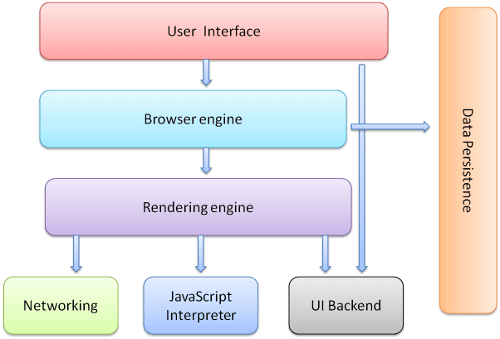
When we are browsing the internet, visiting websites and reading articles, we use a web browser to do so. A web browser is an interface for us to render the code (HTML, JavaScript, and CSS) that we are sending and receiving to and from the web server. But do you know what exactly your browser sends and receives when you are browsing?
When you visit a website, your browser requests the page you want to view from the server. The server receives and processes it, then returns it to your browser. Your browser renders the code it received and you see the page and the information you want to read. See the flow chart below:
You -> Request a page to a website -> Your browser sends the request information -> Web server receives and processes the requested information -> Web server returns the result -> Web browser receives and renders the result to your monitor -> You get the information.
So if you are interested in what your browser is sending and receiving when you are browsing, you can use some useful tools:
1. Firebug, Firefox extension
Download the Firebug extension for Firefox and install it. It will be available in the footer bar with a bugs icon. Click the bugs icon and choose the “Net” tab, refresh your page, and you can see exactly what your browser requests and receives there.
2. Rexswain HTTP Viewer
This is a great online tool to analyze your HTTP data — what has been sent and received by your browser when requesting a web page.
Then a question may come to your mind: why should I know about that? Well, if you are just using the internet for business purposes or just for fun, maybe this information is not for you. But if you want to optimize your website, then you have to know this information. Especially when the browser sends cookie data for static files like images, JavaScript, and CSS files. These static files don’t need cookie data to process, so it wastes visitors’ bandwidth, server bandwidth, and results in longer response times. Cookie data is relatively small — only 1-2 KB. But imagine you have 20 static files on your page, and this 2 KB is multiplied by 20, equaling 40 KB for every web page request. And if you have 10,000 impressions per day, then you are wasting 400 MB per day just for unnecessary cookie data that is sent over and over.
Besides knowing the cookie data, you can find other data such as header response codes, transfer encoding, cache expiry date, and more. This information is basic data to optimize your website for faster loading time and to reduce load on your web server.